Designing Psychological Safety: Applying UX Research to Mental Health Spaces
Through UX research and human-centered design, I transformed traditional environments into psychologically safe spaces where individuals feel comfortable sharing their stories and engaging authentically.


Background
Homestead High School is located in the heart of Silicon Valley, just a few miles from Apple and Google headquarters. The school has a long-standing connection to the technology industry, Apple co-founders Steve Jobs and Steve Wozniak both attended Homestead, contributing to a culture that values innovation, achievement, and high performance. While this environment creates incredible opportunities for students, it also contributes to significant academic pressure and competitiveness. Students often juggle demanding coursework, extracurricular activities, and expectations to excel in STEM-related fields.
Administrators recognized the need for a dedicated space where students could decompress, regulate emotions, and reset before returning to class. The goal of this project was to transform a traditional classroom into a wellness sanctuary that promotes calm, reflection, and emotional recovery.
Problem
The original room felt sterile, which did not support emotional regulation. Key issues included:
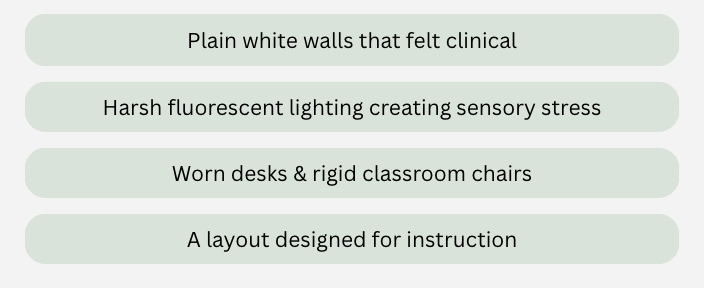
Students entering the space still felt like they were in a classroom environment, which limited its effectiveness as a restorative space.
Research Insight
Through informal conversations with students and staff, as well as observation of how students respond to calming environments, several needs emerged:
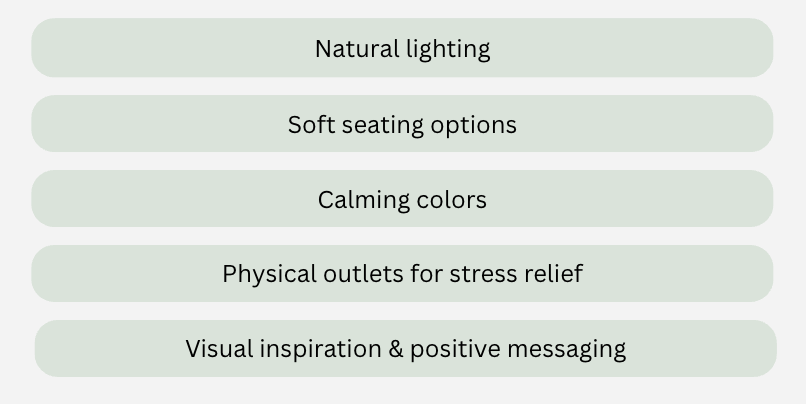
These elements help reduce anxiety and create a sense of psychological safety, where students feel comfortable pausing, reflecting, and emotionally resetting. In addition to in-person interviews, a qualitative study was ran with 61 highschool students ranging from ninth to twelfth grade. A majority, or 77.4%, believed a mental health space is necessary. Students wrote:
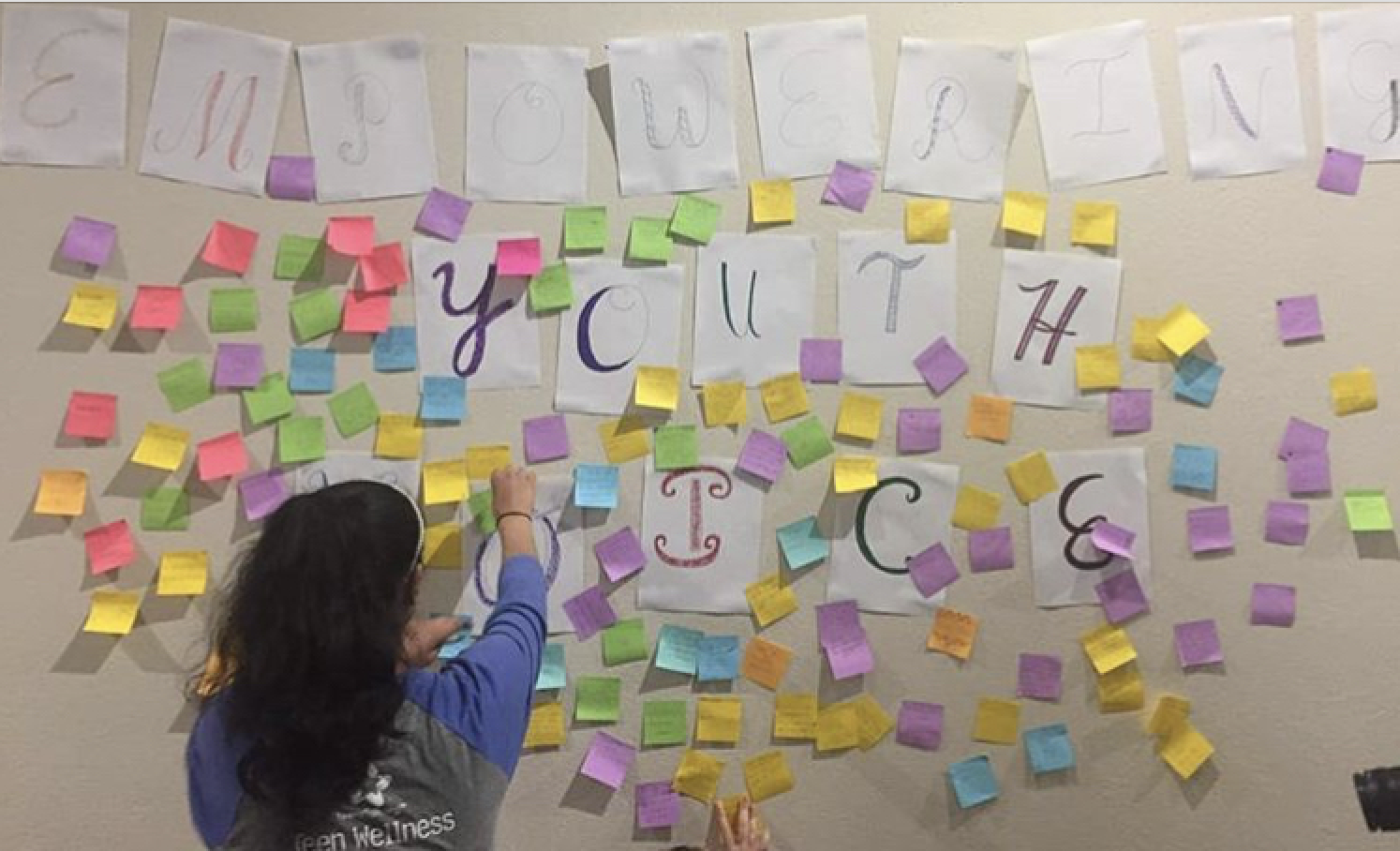
"There is definitely a lot of pressure to succeed and live up to this unattainable standard."
"We lead high stress lives, yet none of us seem to talk about our mental health beyond the occasional 'argh'... If there was a safe space for people to address their problems, that would solve the issue."
"[We need] to destress and go to a place that we can feel surrounded by people who are also in the same condition as we are."
Design Solution
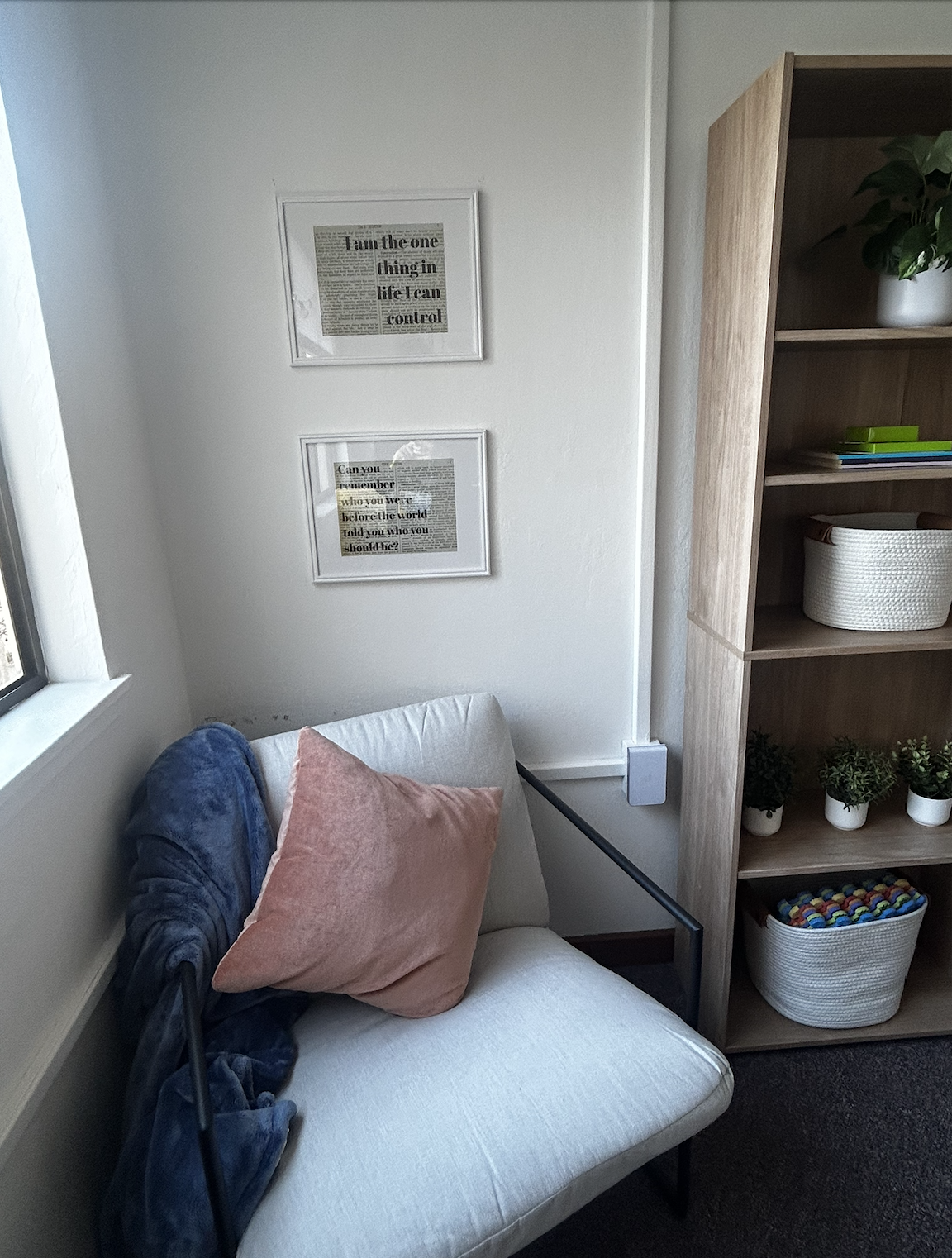
The classroom was redesigned to prioritize calmness, comfort, and emotional recovery. Key design changes included:
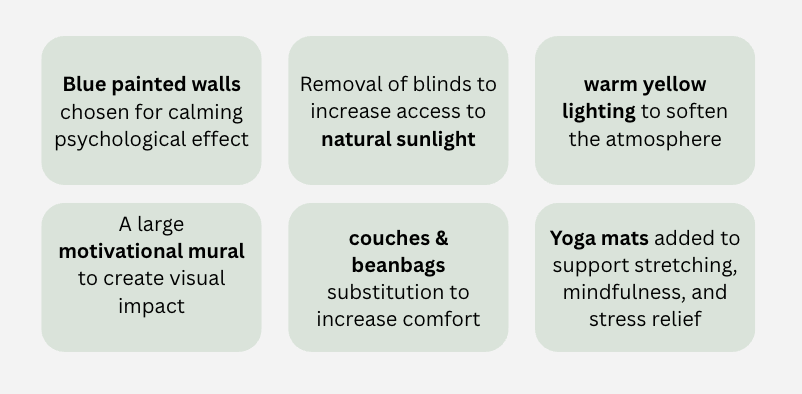
These changes shifted the environment from a rigid classroom into a welcoming sanctuary where students can regulate emotions and recharge.
Impact
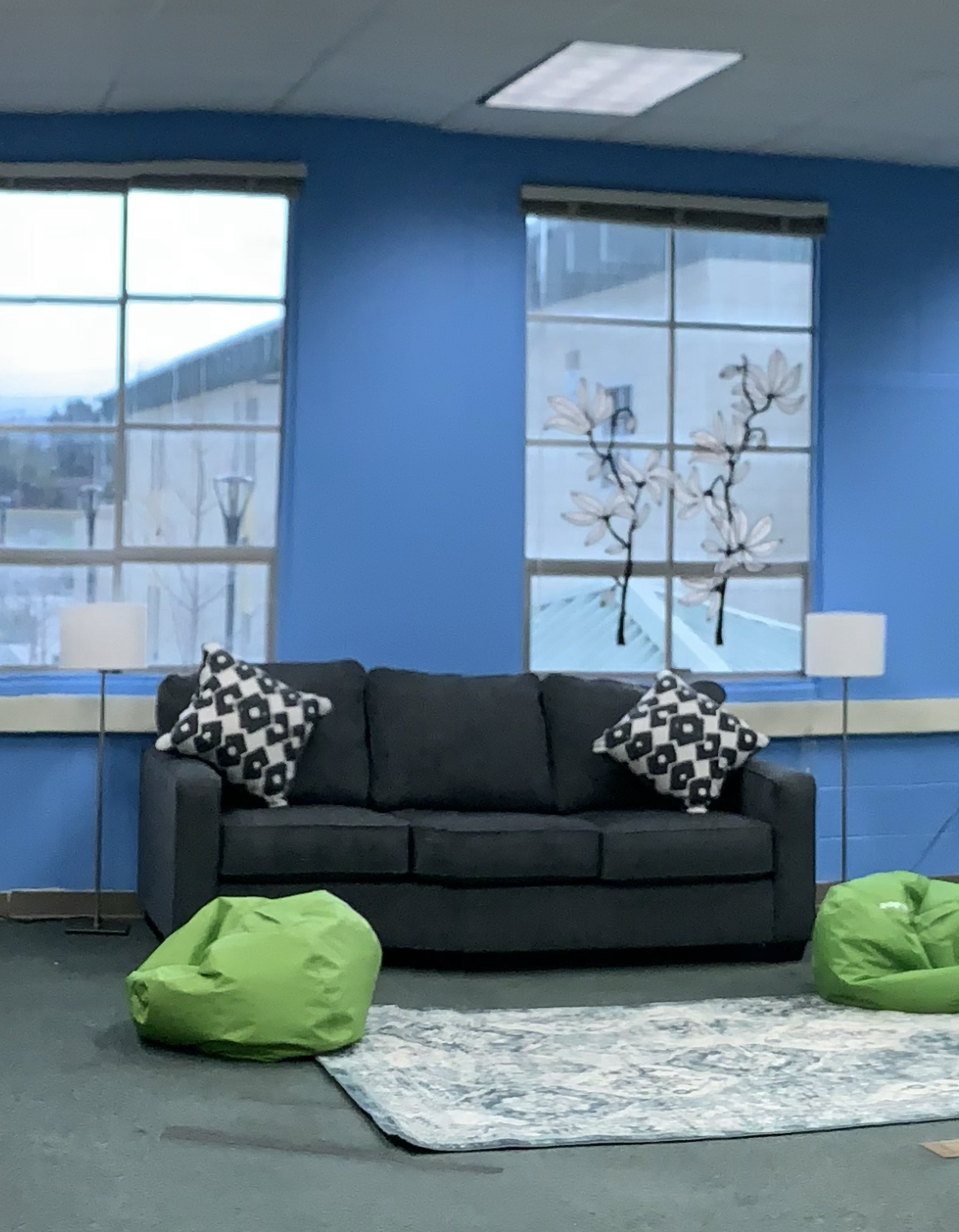
The redesigned wellness room created a space where students could step away from academic pressure and regain emotional balance. Within the first semester after implementation, the room was used by an estimated 25–40 students per week, often during high-stress periods such as exams and major project deadlines.
Students typically spent 5–15 minutes in the space engaging in calming activities such as sitting on the couches or beanbags, stretching on yoga mats, or simply resting in the quieter environment. Teachers and staff also reported that students who used the space often returned to class more focused and emotionally regulated. The calming design helped students feel more comfortable decompressing and expressing their emotions, reinforcing the idea that physical environments play a significant role in emotional well-being. Informal feedback from students indicated that the softer lighting, comfortable seating, and mural helped the room feel less like a classroom and more like a supportive retreat space.
This project demonstrates how UX research principles can improve educational environments by designing spaces that support mental health, emotional regulation, and psychological safety.

Background
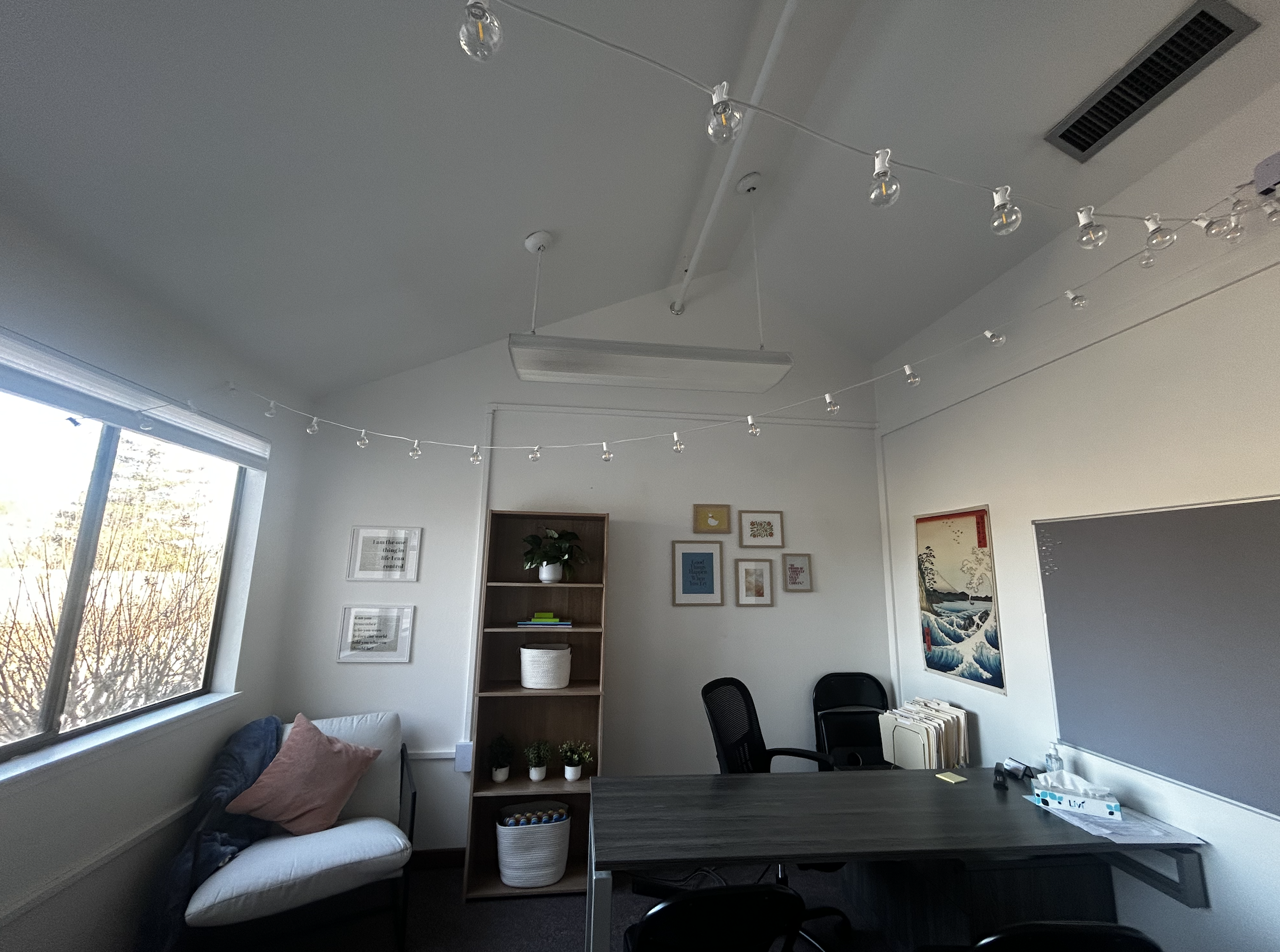
At Trinity Center, I served as both a Case Manager and Data Quality Administrator, supporting individuals experiencing housing instability. Many clients experienced low socioeconomic status, trauma, abuse, substance use challenges, chronic disability, or homelessness. Clients shared that past service environments felt institutional, intimidating, and unwelcoming, which made it difficult to open up, especially during sensitive assessments like the VI-SPDAT, a tool used to measure an individual's vulnerability.
This dual role allowed me to connect data with lived experience. While I analyzed patterns in client vulnerability, my direct work with clients helped me understand the human context behind those numbers. This revealed a key insight: when clients feel uncomfortable in a space, they are less likely to share openly, leading to less accurate data and less effective support.
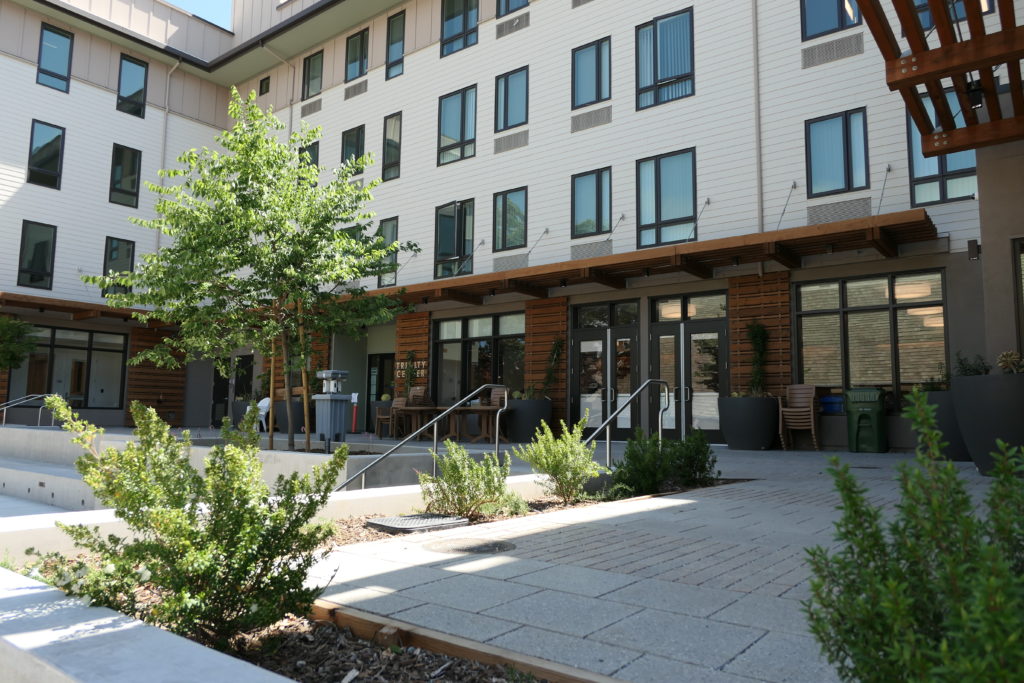
Clients often shared that shelters and service centers felt intimidating particularly for transitional-aged youth (18–25) and families with children. The goal was to redesign our offsite office to create a warmer, more welcoming environment where clients could feel safe sharing their experiences.
Problem
The original office environment resembled a typical administrative workspace. Key issues included:
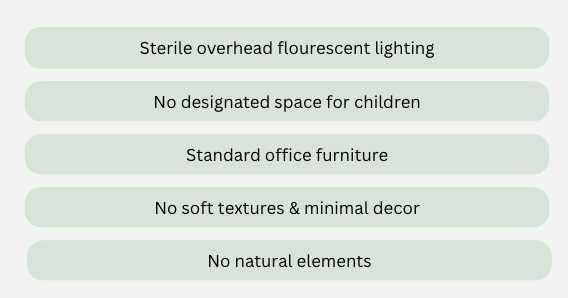
Because case management begins with the VI-SPDAT assessment, which asks deeply personal questions about trauma, vulnerability, and housing history, the environment plays a critical role in whether individuals feel safe enough to answer honestly. Clients who restrict vital information can lose eligibility for housing placements and referrals.
Research Insight
To better understand how the environment impacted client experience, I conducted 25 client interviews over the course of one week, focusing on prior experiences in shelters and service centers, comfort levels during case management sessions, and factors influencing willingness to share personal information.
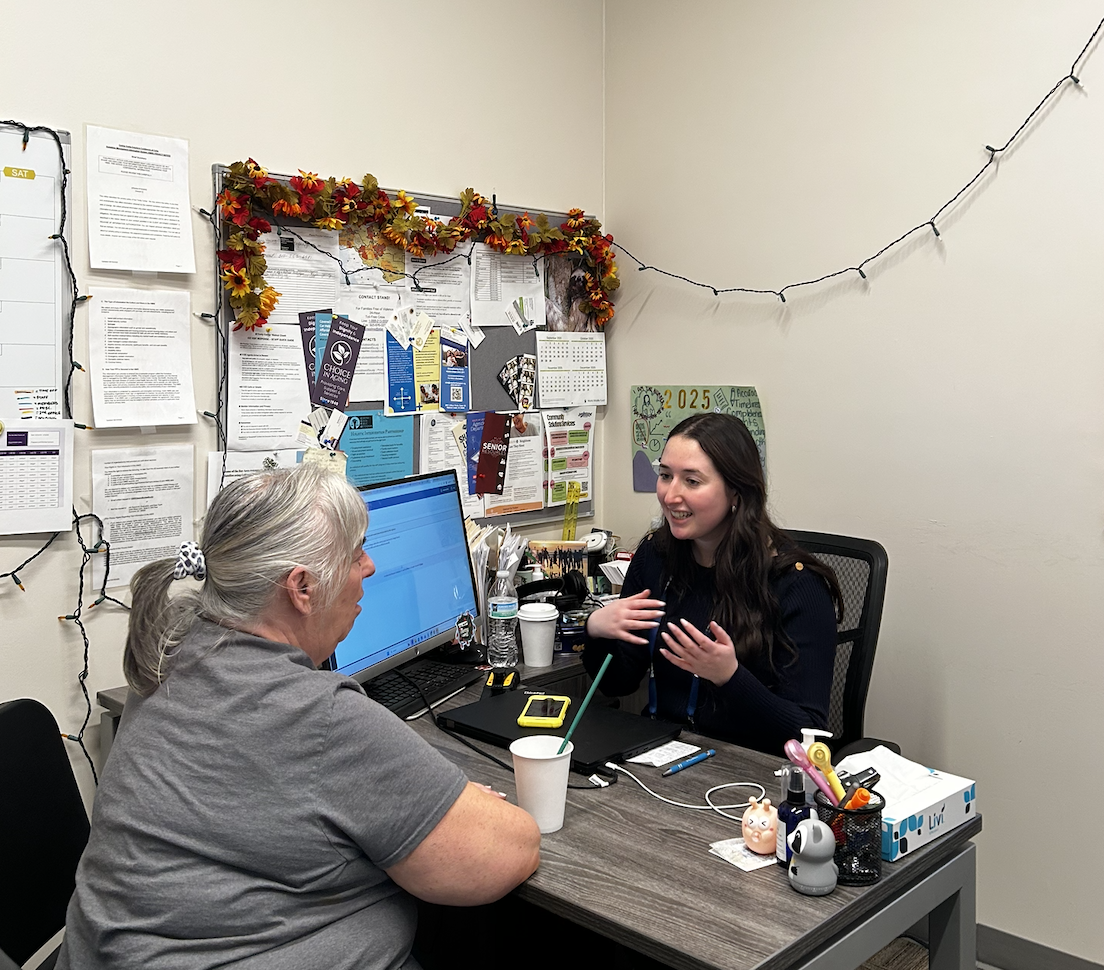
A consistent pattern emerged: many clients described previous shelters as feeling unsafe due to poor cleanliness, limited privacy, and environments that felt cold, impersonal, and overly institutional. These conditions often led clients to feel guarded, making it difficult to openly share sensitive information during assessments.
In addition to qualitative insights, I conducted a quantitative analysis of continuum-wide demographics over a six-month period. Out of an unduplicated client count of 888 individuals, the largest age group served at the original center was 33–45 (22.97%), followed by 45–54 (19.59%), and 62+ (18.58%). Transitional-aged youth (18–25) and families were notably underrepresented.
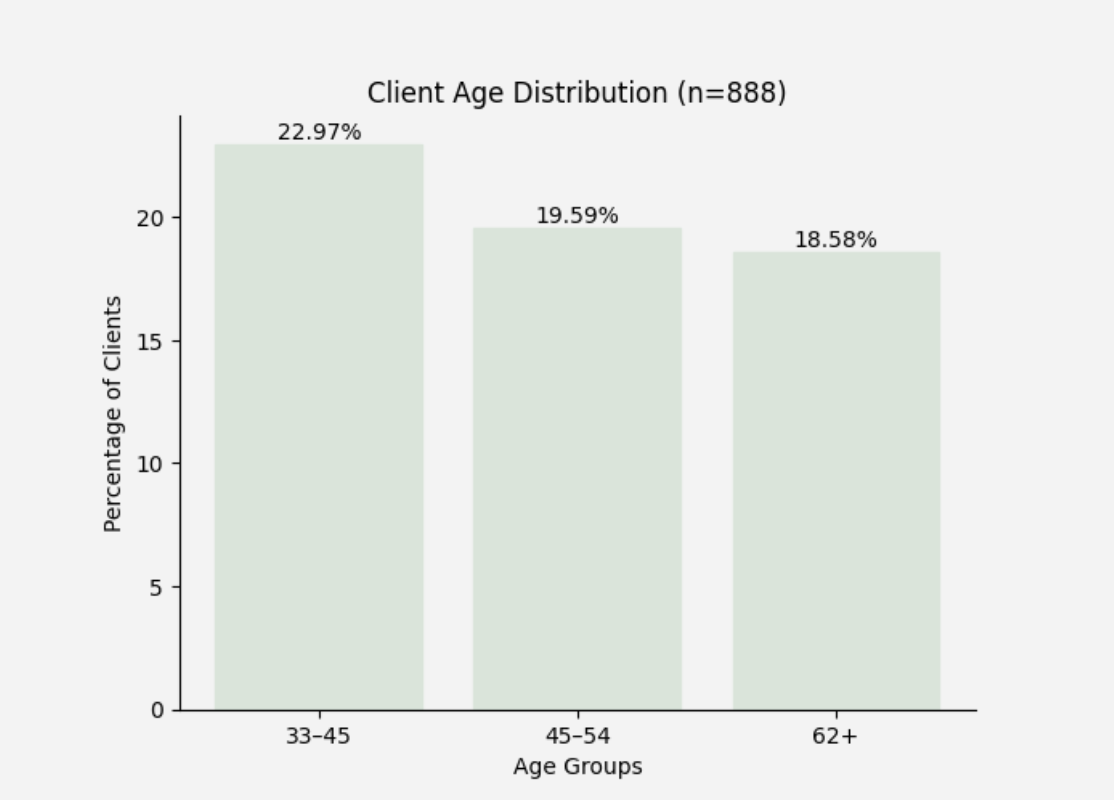
This data suggested that Trinity Center’s environment may not have been effectively meeting the needs of younger populations and families. Combined with interview findings, this highlighted a key gap: the existing space was not designed to feel welcoming, safe, or relatable for all user groups, particularly transitional-aged youth and families, limiting engagement, trust, and openness.
This insight directly informed the redesign, with a focus on creating a more comfortable, human-centered environment that encourages vulnerability, improves data accuracy, and better supports diverse client needs.
Design Solution
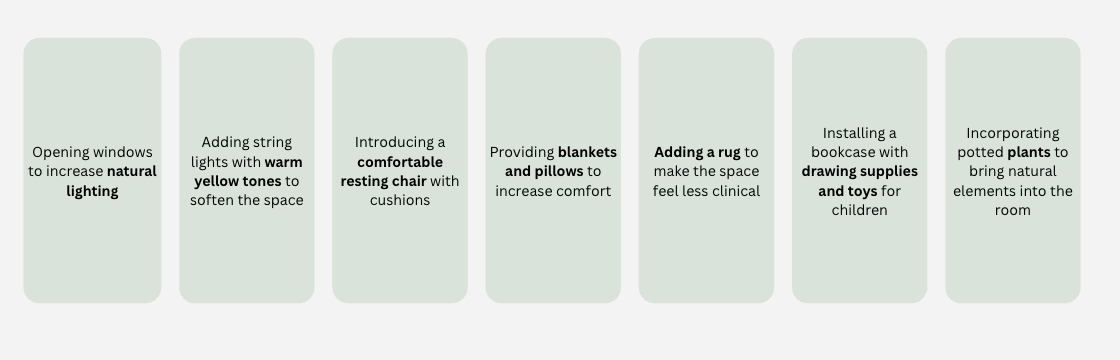
The office environment was redesigned to feel warmer, calmer, and more inviting. Key design changes included:
Impact
Following the redesign of the branch office, I tracked Transitional-Aged Youth (TAY) engagement and housing outcomes to evaluate the impact of a more welcoming, psychologically safe environment. TAY caseload increased from 40 in June 2025 to 58 in January 2026, representing a 45% growth in engagement. Transitional housing placements, determined solely by VI-SPDAT vulnerability scores, showed increased consistency over time, with placements recovering from a low of 1 in August 2025 to 6 by January 2026.
Because the VI-SPDAT relies on honest self-disclosure, these outcomes suggest that clients felt more comfortable sharing accurate and vulnerable information within the redesigned space. As a result, improved data quality allowed for more appropriate housing placements, while the increase in TAY engagement indicates the environment became more approachable and supportive for younger populations. This demonstrates how human-centered environmental design can directly influence both user behavior and service outcomes.